Your Complete Guide to the National Three Peaks Challenge
The National Three Peaks Challenge is one of the UK's most iconic outdoor adventures a true test of endurance, determination, and love for the mountains. In a single push, you'll summit the highest peaks of Scotland, England, and Wales: Ben Nevis (1,345m), Scafell Pike (978m), and Snowdon (1,085m). Whether you're aiming for the classic 24-hour finish or spreading the journey across a more relaxed weekend, this challenge draws thousands of hikers every year from first-time peak baggers to seasoned trail runners.
But make no mistake: climbing nearly 3,000 metres of total ascent across 26+ miles of rugged terrain, with driving transfers between each mountain, is no small feat. The weather can turn in minutes. Navigation above the cloud line demands confidence. And the sleep deprivation of a non-stop attempt adds a mental battle all its own.
That's exactly why we built this guide.
In the following sections, you'll find everything you need to plan, train for, and complete the National Three Peaks Challenge safely. We break down each mountain's best route, share a 12-week training plan, list the essential kit that could save your summit, and map out a realistic 24-hour itinerary plus the common mistakes that trip up even experienced hikers.
Whether you're doing it for charity, personal achievement, or simply to stand on the roof of three nations in a single day, this is your complete starting point.
What Is the National Three Peaks Challenge?
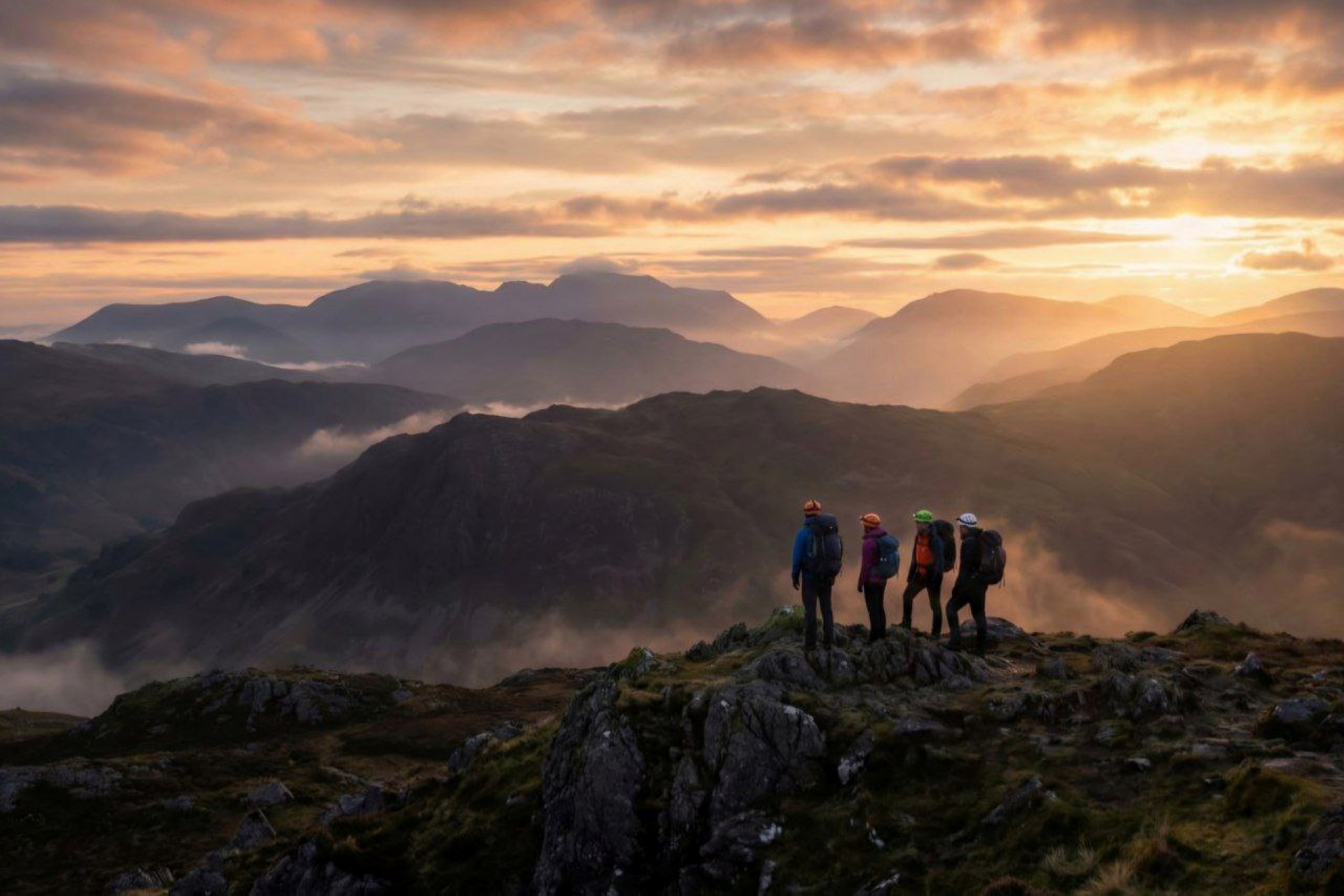
You've probably seen the photos: groups of hikers grinning atop windswept summits, holding charity banners or team flags, with sweeping mountain views behind them. Maybe you've felt a twinge of envy, or a spark of "I could do that" — but then the logistics hit: three countries, three peaks, hundreds of miles of driving, and a ticking clock. Where do you even start?
For many UK hikers, the national three peaks challenge feels like an unattainable bucket-list item reserved for elite athletes or professional fundraisers. The truth? It's entirely achievable for anyone with moderate fitness, the right preparation, and a clear plan.
At its core, the national three peaks challenge involves summiting the highest mountain in each of the UK's three constituent countries: Ben Nevis in Scotland, Scafell Pike in England, and Snowdon in Wales. Most participants attempt the famous three peaks challenge 24 hours version, which requires completing all three climbs plus travel between the peaks in under 24 hours. More relaxed 2-3 day itineraries are also popular, especially for beginners or those hiking as part of charity hiking challenges.
This beloved UK peak bagging tradition attracts thousands of hikers every year, from casual weekend walkers to seasoned mountaineers. Whether you're raising money for a cause close to your heart or ticking off a personal fitness goal, this guide covers every detail you need to plan a safe, successful trip. The national three peaks challenge is open to all ages, though under 18s must be accompanied by an adult.
The Three Peaks: Key Facts & Routes
Before you lace up your boots, it's critical to understand the unique profile of each mountain on the national three peaks challenge. Each peak has distinct terrain, weather patterns, and route options, so tailoring your plan to each summit will save time and reduce injury risk.
Ben Nevis is the tallest of the three, with the longest route and most unpredictable weather. Scafell Pike is the shortest but steepest, with loose scree slopes that can be tricky when tired. Snowdon has the most accessible infrastructure, including a mountain railway (though most challengers stick to walking routes).
Most 24-hour attempts follow a set order: Ben Nevis first (to climb in daylight), followed by Scafell Pike, then Snowdon. This minimises night hiking and maximises daylight for the longest, most technical climb.
All three peaks are accessible year-round, but winter conditions (November to March) require specialist gear including crampons and ice axes. Stick to May-September for your first attempt.
Ben Nevis (Scotland): Route & Height
Standing at 1,345 metres (4,413 feet), Ben Nevis is the highest peak in the British Isles. The most popular route for the national three peaks challenge is the Mountain Path (also called the Pony Track), which starts at the Glen Nevis Visitor Centre near Fort William.
This 10-mile round trip route gains 1,300 metres of elevation, with a rough, rocky path that can be boggy in lower sections. Average climb time is 4-6 hours for fit hikers, with the summit offering stunning views of the Scottish Highlands on clear days.
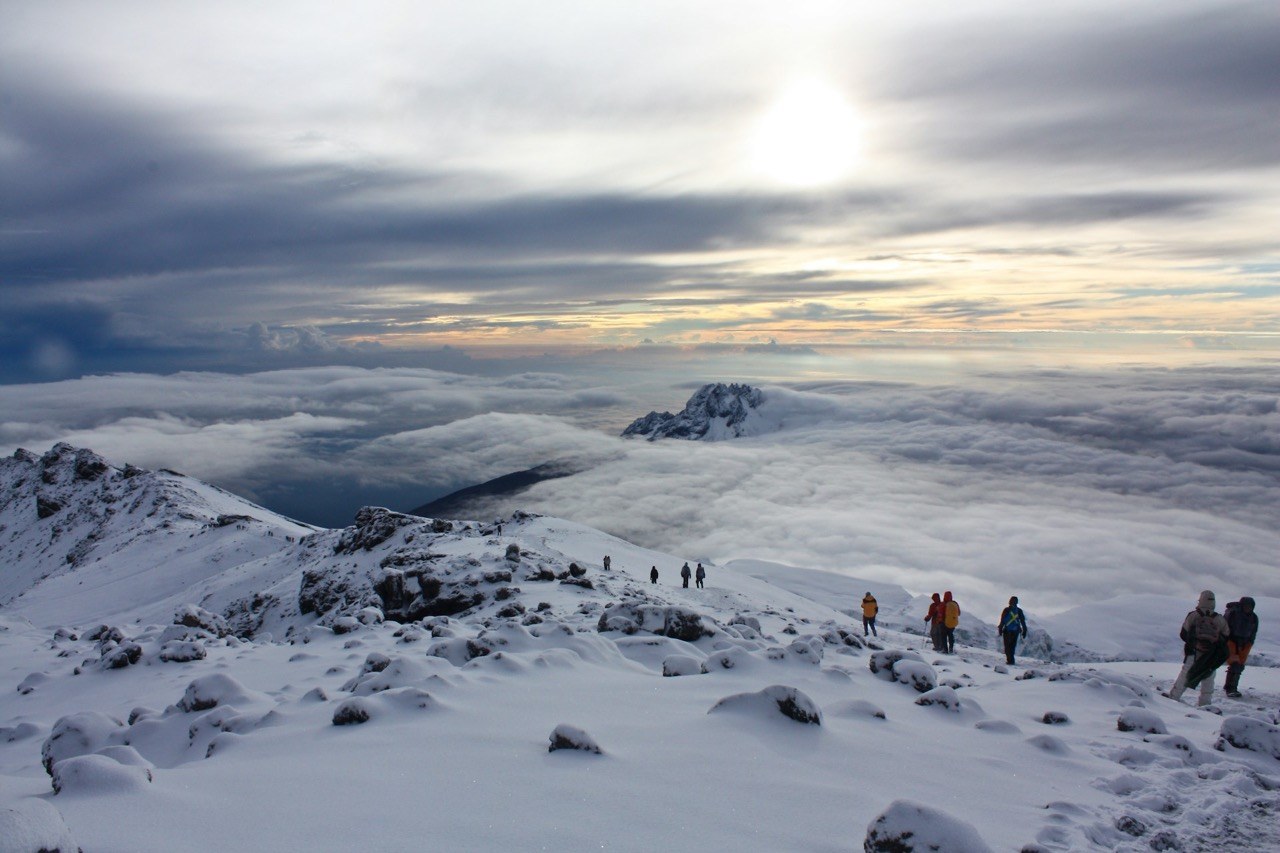
Weather on Ben Nevis changes rapidly, even in summer: temperatures at the summit are often 10°C colder than at sea level, and low cloud can reduce visibility to near zero. Always carry a map, compass, and waterproof layers, even if the morning forecast looks clear.
Scafell Pike (England): Route & Height
Scafell Pike reaches 978 metres (3,209 feet), making it the highest peak in England. The most common route for challengers is the start point at Wasdale Head, which offers the shortest 6-mile round trip with 900 metres of elevation gain.
The path is steep and rocky, with loose scree slopes near the summit that can be slippery when wet. Average climb time is 3-4 hours, though tired hikers attempting the three peaks challenge 24 hours version often take closer to 4.5 hours.
Wasdale Head is a remote valley with limited phone signal, so download offline maps before you arrive. The route is very busy on weekends, so starting your climb between 2am and 4am helps avoid crowds and parking issues.
Snowdon (Wales): Route & Height
Snowdon stands at 1,085 metres (3,560 feet), the tallest peak in Wales. For the national three peaks challenge, 90% of hikers choose the Llanberis Path, which starts at the Snowdon Mountain Railway car park in Llanberis.
This 9-mile round trip gains 1,000 metres of elevation, with a wide, well-maintained path that's easier to navigate when fatigued. Average climb time is 4-5 hours, with the summit offering panoramic views of the Welsh countryside and Irish Sea on clear days.
Avoid the Crib Goch route for your first challenge: it's a sharp ridge with steep drops, best left to experienced mountaineers. The Llanberis Path is straightforward, with plenty of rest stops, making it ideal for the final climb of a 24-hour attempt.
Training for the National Three Peaks Challenge
A solid three peaks training plan is the difference between a triumphant summit and a mid-mountain drop-out. Even regular gym-goers need 8-12 weeks of targeted preparation, as hiking with a weighted pack on uneven terrain uses different muscles than road running or cycling.
Start by building a base of cardiovascular fitness: aim for 30 minutes of brisk walking, jogging, or cycling 4-5 times a week for the first 4 weeks. Once you're comfortable with that, add hill repeats: find a local hill and walk up it 3-4 times in a row, with a slow walk down to recover.
At the 6-week mark, start doing long hikes on weekends: build up from 5 miles to 10 miles, then 15 miles, carrying the same pack you'll use for the challenge. The most important training step? Back-to-back hikes: do a 10-mile hike on Saturday, then an 8-mile hike on Sunday, to simulate the fatigue of climbing three peaks in one day.
Include strength training 2-3 times a week, focusing on legs (squats, lunges, calf raises) and core (planks, bird-dogs) to support your joints on steep descents. Never train in new boots: wear your challenge footwear on every long hike to break them in and avoid blisters.
Essential Kit List for the Challenge
A well-prepared three peaks kit list will keep you safe, comfortable, and on schedule. The UK's mountains are notorious for sudden weather changes, so pack for all conditions, even if the forecast looks sunny.
Hiking boots: Waterproof, ankle-supporting boots that are fully broken in. Trainers are not suitable for scree slopes or wet terrain.
Waterproof layers: A breathable waterproof jacket and trousers, plus a spare pair of dry socks.
Layered clothing: Merino wool base layer, fleece mid-layer, and insulated jacket for summit stops.
Navigation: Physical map of each peak, compass, and fully charged phone with offline maps.
Lighting: Headtorch with spare batteries for night sections of the three peaks challenge 24 hours.
Food and water: 2 litres of water per peak, plus high-energy snacks (nuts, energy bars, jelly babies) for quick fuel.
Safety gear: First aid kit, blister plasters, whistle, and power bank for your phone.
Avoid overpacking: aim for a 5-8kg pack weight, including water and snacks. Test your full kit on a long training hike to make sure everything fits comfortably and works as expected.
Sample 24-Hour Itinerary
The standard three peaks challenge 24 hours itinerary starts with Ben Nevis, as it's the longest climb and best done in daylight. This sample schedule assumes a start time of 5pm on Day 1, finishing by 5pm on Day 2. Build in buffer time for traffic or slow climbs.
1. 5:00pm — Start Ben Nevis climb (Mountain Path). Summit by 8:00pm, descend by 11:00pm.
2. 11:00pm — Start 6-hour drive from Glen Nevis to Wasdale Head. Arrive by 5:00am.
3. 5:30am — Start Scafell Pike climb. Summit by 8:30am, descend by 11:30am.
4. 11:30am — Start 3-hour drive from Wasdale Head to Llanberis. Arrive by 2:30pm.
5. 3:00pm — Start Snowdon climb (Llanberis Path). Summit by 6:00pm, descend by 8:30pm.
Adjust this itinerary if you're doing a relaxed 2-3 day trip: add a full night's sleep between each peak, which is ideal for beginners or groups wanting to enjoy the scenery.
Skipping training: Even fit hikers need to train for uneven terrain and weighted packs. At least 8 weeks of prep is non-negotiable.
Wearing new boots: Blisters are the number one cause of drop-outs. Wear your challenge boots on every training hike.
Underestimating drive times: Google Maps times don't account for tired drivers or narrow country roads. Add 1 hour of buffer per drive.
Ignoring weather warnings: If a storm is forecast, postpone the climb. Mountain rescues for the three peaks spike during bad weather.
Overpacking food/water: You need 2 litres of water per peak, but don't carry 10 litres at once. Refill at visitor centres between peaks.
Not checking summit accessibility: Occasionally paths are closed for maintenance: check local authority websites 24 hours before your climb.
Another common mistake? Hiking too fast early on. Pace yourself on Ben Nevis to save energy for the later peaks, especially if you're attempting the 24-hour version.
Fundraising for Your Three Peaks Challenge
The national three peaks challenge is one of the UK's most popular charity hiking challenges, with thousands of pounds raised for good causes every year. Whether you're supporting a local hospice, national charity, or community project, fundraising adds a sense of purpose to your climb.
Start by choosing a charity you're passionate about: most large charities have dedicated three peaks fundraising pages set up, which handle donations and Gift Aid automatically. Set a realistic target: £500 per person is a common goal for small groups, while larger teams often aim for £2,000+.
Share your progress on social media: post training updates, kit tests, and route planning photos to encourage donations. Send personal messages to friends and family, explaining why the cause matters to you — personal asks raise 3x more than generic social media posts.
Remember to thank your donors after the climb, sharing photos from the summit. Many groups also do a post-climb presentation to their charity, which can help you hit your target if you're close.
Frequently Asked Questions
Q: How long does the National Three Peaks Challenge take?
A: Most participants complete the challenge in 24 hours including travel between peaks, though relaxed 2-3 day itineraries are popular for beginners.
Q: Is the National Three Peaks Challenge suitable for beginners?
A: Yes, with 8-12 weeks of training and proper preparation, beginner hikers can safely complete the challenge.
Q: What is the best time of year to do the challenge?
A: May to September offers the most stable weather and longer daylight hours, ideal for the National Three Peaks Challenge.
Book your National Three Peaks Challenge support package with BookItList today!