How to Train for the National Three Peaks Challenge
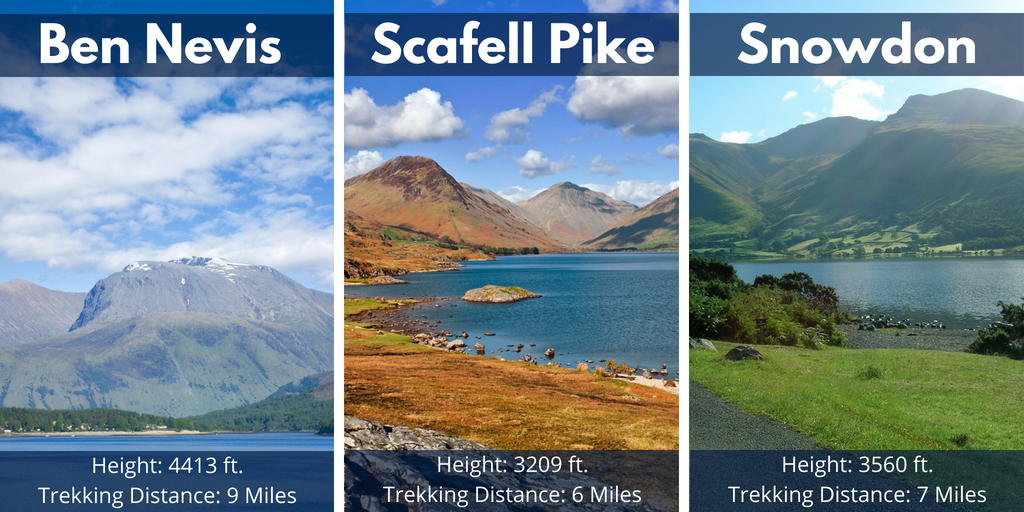
The National Three Peaks Challenge is the ultimate UK hiking bucket list item summit Ben Nevis, Scafell Pike, and Snowdon in 24 hours or less. But here's the hard truth: a significant proportion of hikers who attempt it without proper national three peaks challenge training fail to finish, and many pick up preventable injuries like sprained ankles or knee strain along the way.
Even regular gym-goers and casual runners often underestimate the demands of back-to-back peak summits. You're covering around 23 miles of rugged terrain, climbing over 3,000 meters in total, and pushing through sleep deprivation in the case of a 24-hour attempt. Proper preparation is the difference between a triumphant finish and an exhausting DNF and this guide gives you everything you need to prepare the right way.
Why Proper Training Is Critical for the National Three Peaks Challenge
Investing time in national three peaks challenge training reduces your injury risk, improves your chances of completing the challenge within your target timeframe, and turns what could be a grueling ordeal into a genuinely memorable adventure. Most hikers assume their general fitness is enough, but hiking uses specific muscle groups glutes, calves, and stabilizing muscles around the knee and ankle that gym workouts and road running rarely target effectively. Not sure if you're ready? Our guide on how hard the National Three Peaks Challenge really is breaks down the fitness baseline you need.
Sleep deprivation is another factor many first-timers overlook. During a 24-hour attempt, you'll likely tackle Scafell Pike in the early hours of the morning when energy and focus are at their lowest. Training hikes that simulate late-night fatigue help you practice pushing through tired spells safely and without making poor decisions on technical terrain.
Proper national three peaks prep also lets you test your gear, nutrition strategy, and pacing in low-stakes conditions. Finding out your boots cause hotspots on training hike three is a minor inconvenience; discovering it on Ben Nevis's upper slopes could end your challenge entirely. A structured plan takes the guesswork out of preparation, even for complete beginners, and helps you arrive at the start line confident rather than anxious.
3-Month National Three Peaks Challenge Training Plan
This 12-week three peaks challenge training plan is designed for hikers with a baseline ability to walk 5km without stopping. Adjust the intensity up or down based on your current fitness, but stick to the core structure to build the endurance and strength needed for all three peaks. Consistency across the full 12 weeks matters far more than occasional intensive sessions gradual progression reduces injury risk and delivers lasting fitness gains.
Month 1: Build Base Cardiovascular Fitness
Month 1 of your national three peaks prep focuses purely on building cardiovascular endurance. Begin with three to four 30-minute brisk walks per week, wearing your broken-in hiking boots from the start to avoid blisters later on. By the end of week four, aim to comfortably complete two-hour flat hikes at weekends, carrying a 5kg backpack to begin simulating challenge conditions.
Avoid hills during this phase — those come in Month 2. If you find yourself getting breathless, slow your pace rather than stopping altogether. Consistency here sets the foundation for harder work later, so don't skip sessions even on days when motivation is low. For this stage of national three peaks challenge training, focus on varied flat terrain grass, gravel, and pavement to begin acclimatising your feet and ankles to uneven ground.
Month 2: Add Elevation and Strength Training
Month 2 introduces elevation and strength work, both critical for the steep ascents you'll face on Ben Nevis and Scafell Pike. Replace one weekend flat hike with a three-hour hike that includes at least 400–500 meters of elevation gain. Add two strength sessions per week focusing on the key muscle groups: squats, lunges, calf raises, and core stability exercises like planks and single-leg deadlifts to support your knees and lower back on steep descents.
Gradually increase your backpack weight towards 10kg across your weekend hikes. This is also the month to thoroughly test your full gear setup wear your complete challenge kit on every long hike to identify any hot spots, chafing points, or comfort issues early. Your Ben Nevis training should focus on maintaining a steady, sustainable pace on sustained inclines, while Scafell Pike prep benefits from practicing footwork on loose, rocky paths where available. Never skip strength sessions; weak glutes are a leading cause of knee discomfort on long descents.
Month 3: Challenge Simulation and Taper
Month 3 focuses on simulating the full challenge experience and then tapering down before your start date. During weeks 9 and 10, complete one six-hour hike with around 1,000 meters of elevation gain, carrying 10–12kg. In week 11, attempt a back-to-back hike weekend: summit a local peak on Saturday, then hike again on Sunday with tired legs to genuinely simulate the cumulative fatigue of tackling multiple peaks in succession. This is one of the most valuable training sessions in the entire plan.
Week 12 is your taper week. Reduce your hike length by approximately 50% and take two full rest days in the 72 hours before your challenge. If you're attempting the 24-hour route, use the final weeks to practice one short night hike with your headtorch, as Scafell Pike is commonly tackled in the early hours of the morning. Use this final phase to run through all nutrition and gear checks one last time arriving at Ben Nevis car park with untested kit is an avoidable risk.
Now that your training plan is in place, making the right gear choices during preparation is equally important. The Yorkshire Three Peaks Challenge is an ideal training weekend covering similar terrain and elevation to give you a genuine preview of the national challenge.
Essential Gear for Training and the Challenge
Every item of gear you plan to use on the challenge should be tested extensively during your national three peaks prep hikes never save anything new for the day itself. Start with waterproof, ankle-supporting hiking boots sized slightly larger than your regular shoes to accommodate thick hiking socks, which help prevent blisters during long descents. Boots should be fully broken in across multiple long training hikes before your challenge date.
A 25–30 liter backpack with a hip belt is ideal, as it transfers weight from your shoulders to your hips and reduces upper-body fatigue over long hours on the trail. Telescopic hiking poles are worth serious consideration they reduce impact loading on your knees during steep descents, which is particularly valuable on Scafell Pike's rocky terrain and after the cumulative fatigue of Ben Nevis. For clothing, use the layering system: a moisture-wicking base layer, a fleece mid-layer, and a breathable, fully waterproof outer shell.
Other non-negotiables include a headtorch with spare batteries, a basic first aid kit, blister plasters, and a fully charged power bank. All gear must be used and tested during your longest training hikes any item that causes discomfort in training will cause significantly more discomfort after ten hours on the hills.
Gear alone won't get you through the challenge; your nutrition and recovery approach during training is equally critical.
Nutrition and Recovery Strategies
Nutrition and recovery are often the most overlooked elements of national three peaks challenge training, yet they have a direct impact on how quickly you build fitness and how well you perform on challenge day. For training hikes lasting more than two hours, eat a carbohydrate-rich meal two hours beforehand oats, wholegrain toast, or pasta work well and fuel consistently during the hike with 30–60 grams of carbohydrates per hour. Practical options include energy bars, dried fruit, nuts, bananas, and savory options like rice cakes or wraps.
Hydration matters as much as food: aim for around 500ml of water per hour on the trail, and consider adding electrolyte tablets for hikes exceeding three hours to replace salts lost through sweat. After long hikes, refuel with a combination of protein and carbohydrates within 30–60 minutes to support muscle repair options like chocolate milk, a yoghurt with fruit, or a proper cooked meal all work well.
Recovery is where fitness adaptations actually happen, so treat rest as seriously as training. Take at least one full rest day per week, spend ten minutes stretching after every hike, and aim for seven to eight hours of sleep per night throughout your training block. If you experience persistent fatigue or joint pain, take an additional rest day rather than pushing through training through the early signs of overuse injury is the most common way to derail a training block entirely.
Even with a solid nutrition and training plan, certain common mistakes trip up many well-prepared hikers.
Common Training Mistakes to Avoid
Several avoidable errors consistently undermine national three peaks challenge training, even for experienced hikers. The most frequent is skipping hill training entirely: flat walking builds a useful cardiovascular base, but it won't prepare your legs and joints for the sustained steep terrain of Ben Nevis's Mountain Path or Scafell Pike's rocky ascent. Aim to complete at least three training hikes with 400 metres or more of elevation gain before your challenge date.
Other common mistakes to watch for:
• Wearing new or under-tested boots on the challenge blisters are one of the most preventable causes of an abandoned attempt, and the only solution is to break boots in properly during training hikes
• Increasing weekly hike distance by more than around 10% per week, which significantly raises the risk of shin splints or stress fractures
•Ignoring poor weather during training completing at least one long hike in rain and wind gives you invaluable experience of navigating and managing kit in the conditions you're likely to face on the mountains
• Skipping night hiking practice if attempting the 24-hour challenge walking with a headtorch on rough terrain feels significantly different from daytime hiking and is worth practicing at least once
• Neglecting strength training in favor of extra hikes cardio endurance and leg strength both matter for protecting your knees across 3,000+ meters of total descent
Consistency across the full 12 weeks, combined with avoiding these common errors, will put you in a strong position on challenge day.
Frequently Asked Questions
Q: How long should I train for the National Three Peaks Challenge?
A: Most hikers benefit from 8–12 weeks of dedicated preparation to build the endurance and leg strength needed to complete all three peaks comfortably, whether attempting the 24-hour format or a multi-day route.
Q: Do I need to train on hills specifically?
A: Yes. Incorporating regular elevation gain into your training is essential for preparing your legs, joints, and cardiovascular system for the sustained steep ascents of Ben Nevis, Scafell Pike, and Snowdon. Flat walking alone will not prepare you adequately.
Q: What is the most important element of National Three Peaks training?
A: Building cardiovascular endurance and leg strength are the core priority, as you'll cover approximately 23 miles of mountain terrain with over 3,000 meters of total ascent and descent. See our three peaks challenge route guide for the exact distances and start points for each peak.
Q: Do I need a guide for the challenge?
A: Guides are not mandatory but are strongly recommended for first-time participants, particularly for navigation on Ben Nevis in low visibility or poor weather. A guided challenge also removes the logistics burden of driving between peaks, letting you focus entirely on the hiking. For more detail on route options, see our National Three Peaks Challenge guide.
The national three peaks challenge is an extraordinary achievement for hikers at any experience level, but it demands genuine respect and preparation. A structured three peaks challenge training plan, properly tested gear, smart nutrition, and avoiding the common training mistakes above will give you the best possible foundation for a safe and successful attempt. Consistent preparation across 8–12 weeks is the single biggest factor in completing the challenge, whether your goal is the 24-hour format or a relaxed multi-day trip. The views from the summit of all three peaks Ben Nevis, Scafell Pike, and Snowdon make every training session worthwhile.
Ready to take on the National Three Peaks Challenge? Book your guided attempt with BookItList and start your training today!