Mauna Kea is home to the world’s largest observatory and combines lush island living with the breathtaking lure of the heavens above.
Sleep Under The Stars
Connecting With The Cosmos
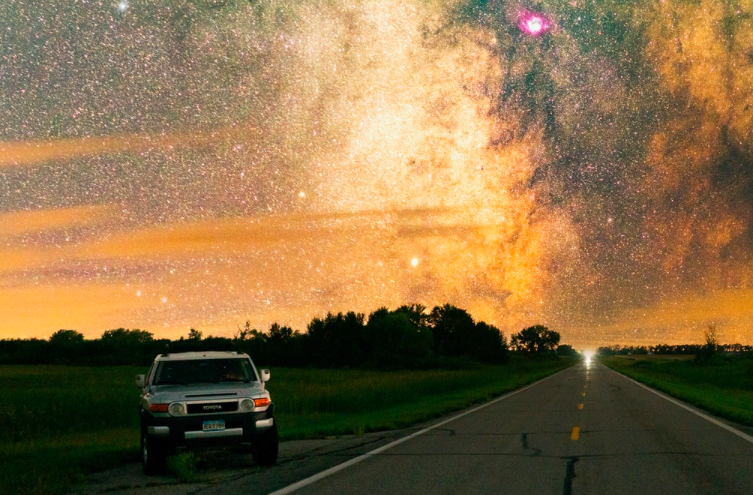
"We're made of star stuff. We are a way for the cosmos to know itself." In the modern world of blue light screens and light pollution, the night sky has become a blank canvas for overcast days. However, in some places, the stars still shine brighter than any nightclub laser show.
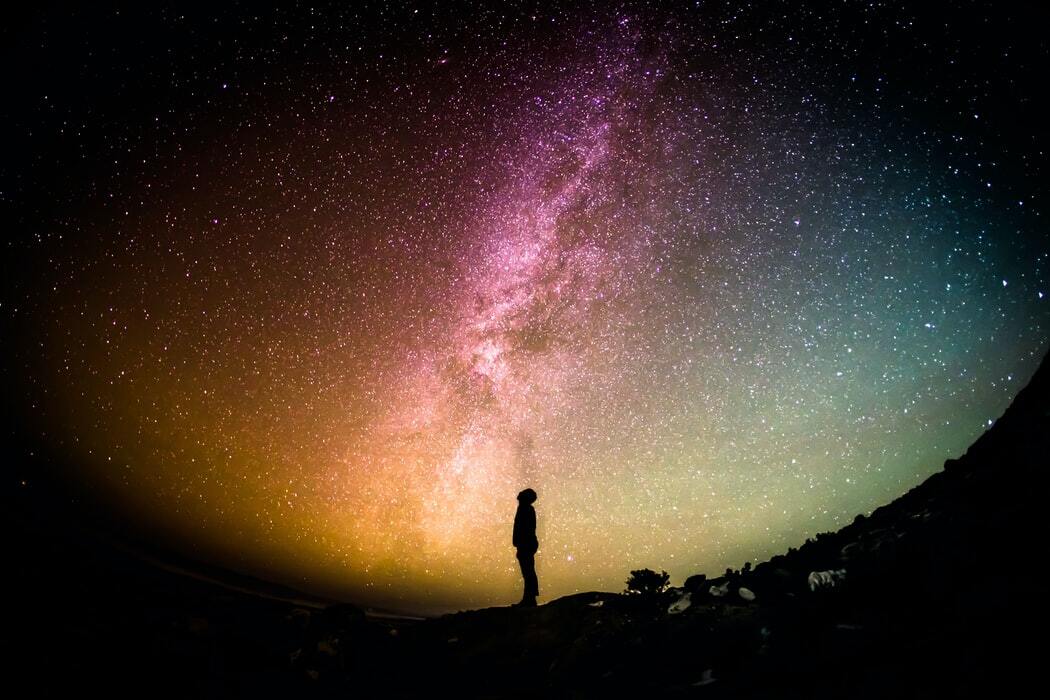
It's literally awe-some to stargaze. Contemplating our place in the universe, noticing that we are lucky to be alive on this pale blue dot, and acknowledging that the sky is never dark or bleak when the stars are winking back at us. It's also incredibly healthy and can assist in curing sleep issues and resetting your circadian rhythm.
Dark Sky Destinations For Stargazing
Death Valley has several awesome sites for hosting the star studded show overhead.
A full program has been laid out and you can even sleep overnight at the observatory at the top of the mountain!
Some of the worlds darkest skies in Namibia create the inky black canvas for the Milky Way to paint its coiling spiral of lights across.
There are almost as many highlights on the ground floor here as their are in the firmament above.
Welcome to Europe's first official dark sky reserve, based in Ol Blighty, with it sites set on the stars.
Our Pick
La Paz to Beunos Aires Adventure Through The Atacama
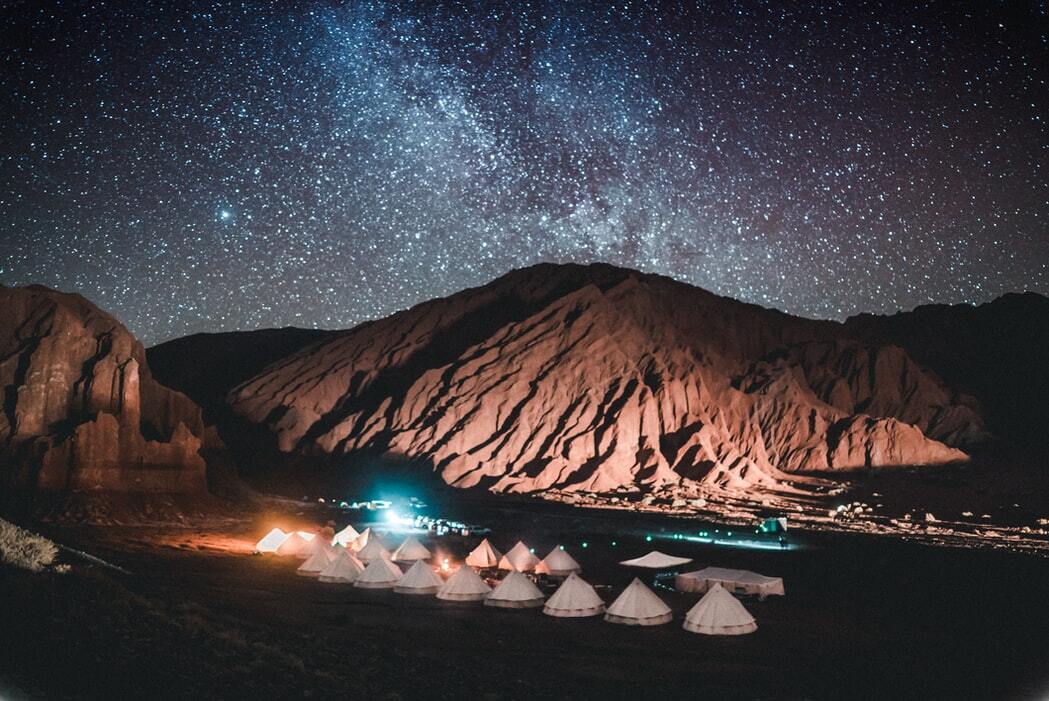
Under a blanket of twinkling celestial bodies between the Andes and Chilean Coast Range, the Atacama Desert's martian terrain is hostile for wildlife, but a perfect viewing deck for those wishing to be awe inspired by the stars above. It's high altitude and dry climate give it uniquely clear skies to witness the world's greatest light show. This adventure connects the Andes to the Atlantic, you'll journey across the surreal landscapes of the Atacama Desert and the Salar de Uyuni.
From £1614
booknow
Star In Your Own Adventure
Whilst the constellations provide a permanent pivot for us to navigate, we need to be able to change things on the fly when travelling. Don't just copy and paste what everyone else is doing, make your own unique adventure with the help of our travel experts.
DesignMyOwnAdventureFaq?
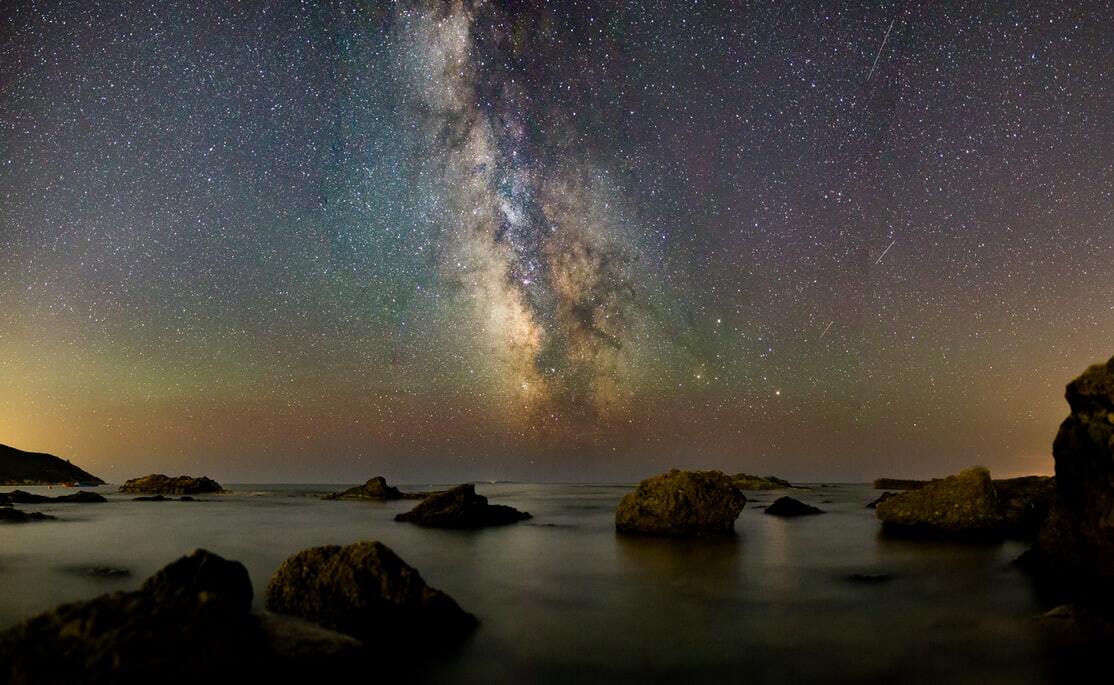
Actually yes. Your sleep cycle and your hormones are largely regulated by exposure to the sun, and in the modern era, phones and advertisements and screens have ruined that. Sleeping in nature under the stars can help reset your body clock and fix your sleep!
Yes. Usually there is more or less star exposure based on the lunar cycle, so check with the relevant site to ensure you're going during peak starlight hours.
In big cities especially, the light from our homes, businesses and devices scatted into the sky and the stars nestled in the dim blanket of the sky are washed away with the light dispersed from our devices and industrial lighting. That's why all of these remarkable places are remote.
The twinkling effect is caused by the instability of the Earth's atmosphere. The air bends and the light slightly refracts from the bending causing the stars to twinkle.